What is it?
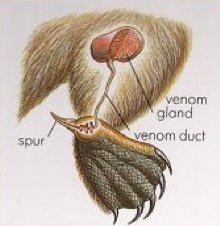
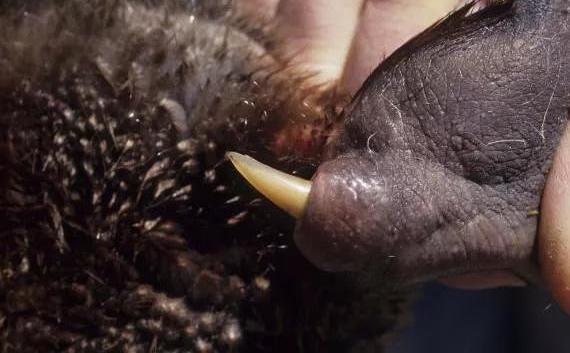
Scientists have done a lot of research on different aspects of platypus venom. As seen in the image to the right, platypuses have a venom gland in which the venom is made and it is then transferred to the spur. It is currently unknown what this venom is used for but researchers hypothesize that it is used to fight off predators or competition during breeding season. Due to unique symptoms that are inflicted on a victim when they are injected with platypus venom scientists believe that this venom could be useful in the development of novel pharmaceuticals. When looking deeper into the elements and compounds that make up platypus venom researchers discovered that it is made up of at least nineteen different peptides. These researchers were only able to identify three of these peptides which are C-type natriuretic peptides (OvCNPs), defensin-like peptides (OvDLPs), and nerve growth factor (OvNGF).